Lò đốt chất thải rắn đô thị (MSW) đóng vai trò then chốt trong giảm thiểu, xử lý an toàn và thu hồi năng lượng từ rác. Tuy nhiên, đóng tro và đóng xỉ trên vách lò, bộ quá nhiệt, bộ hâm nước và hệ thống SCR là những vấn đề vận hành phổ biến và cứng đầu nhất của nhà máy điện rác. Khác với lò đốt than, rác MSW có thành phần phức tạp với hàm lượng cao kim loại kiềm, clo và độ ẩm, tạo lớp tro dính nóng chảy ở nhiệt độ thấp, dễ bám vào bề mặt trao đổi nhiệt. Nếu không xử lý, bám bẩn dai dẳng sẽ giảm nghiêm trọng hiệu suất lò, tăng chi phí và gây dừng lò ngoài kế hoạch.
Khi đốt rác, muối kim loại kiềm và hợp chất clorua tạo hạt tro nóng chảy ở 600–700°C, bám vào bề mặt trao đổi nhiệt đối lưu tạo lớp bám ban đầu dày đặc. Dưới tác động cuốn liên tục của khí thải và thiêu kết ở nhiệt độ cao, tro bay tơi tích tụ trên lớp nền dính, dần tạo lớp xỉ cứng và dày. Các lớp bám này chặn dòng khí thải, phá vỡ sự cháy đồng đều, giảm mạnh hiệu suất truyền nhiệt, tăng nhiệt độ khí thải và giảm công suất phát điện; đồng thời đẩy nhanh ăn mòn nhiệt độ cao của ống lò, rút ngắn tuổi thọ thiết bị và tăng chi phí bảo trì.
Vệ sinh thủ công và bảo trì offline định kỳ không còn đáp ứng nhu cầu vận hành liên tục của nhà máy điện rác hiện đại (phải dừng lò, tổn thất lớn; vệ sinh không đều khiến tro xỉ khó loại bỏ hơn). Cần giải pháp làm sạch tro trực tuyến (online) hiệu quả, ổn định, tiêu hao thấp, thiết kế riêng cho lò MSW.
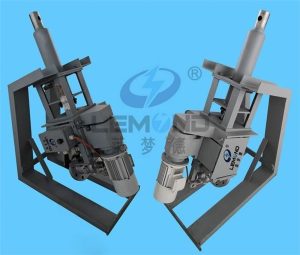
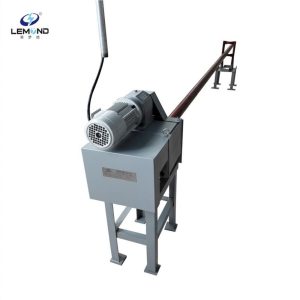
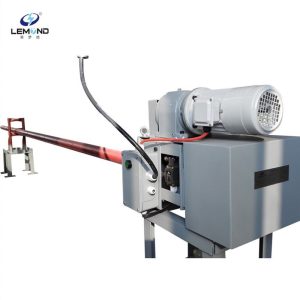
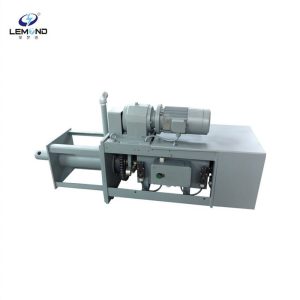
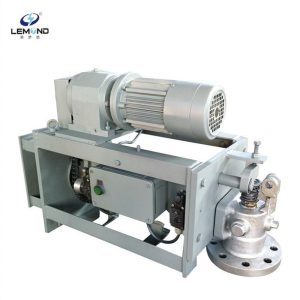
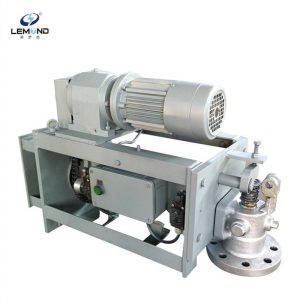
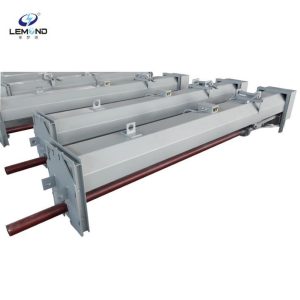
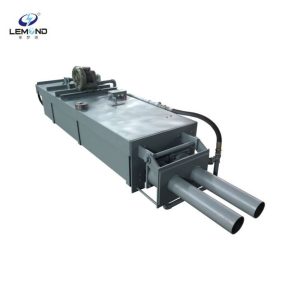
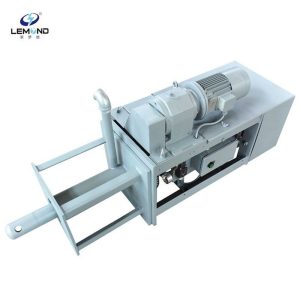
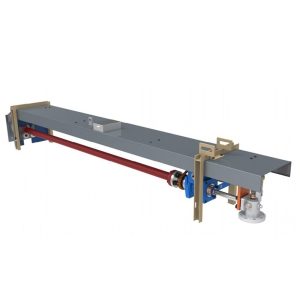
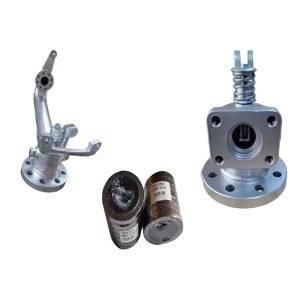
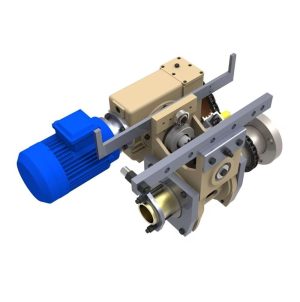
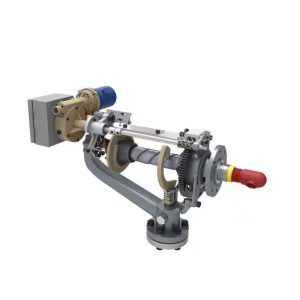
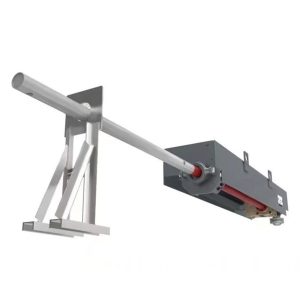
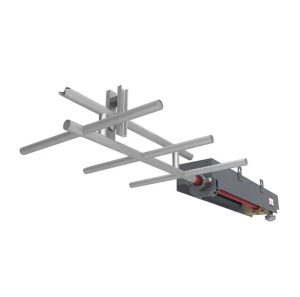
Kết hợp nhiều thiết bị thổi bụi chuyên biệt cho từng khu vực lò. Với vách nước đóng xỉ dính nặng, dùng máy thổi bụi hơi kiểu vách làm sạch trực tuyến 360°, bóc tách xỉ nóng chảy và tro dính mà không hại lớp lót lò. Với bộ quá nhiệt/tái nhiệt bám bẩn sâu, dùng máy thổi bụi hơi thò dài với ống súng chịu nhiệt cao; áp suất và hành trình thổi điều chỉnh được, loại bỏ triệt để tro thiêu kết ở vùng đối lưu sâu.
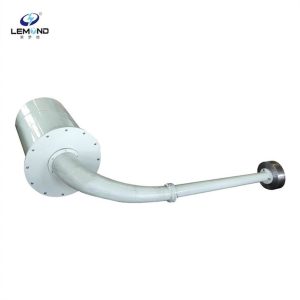
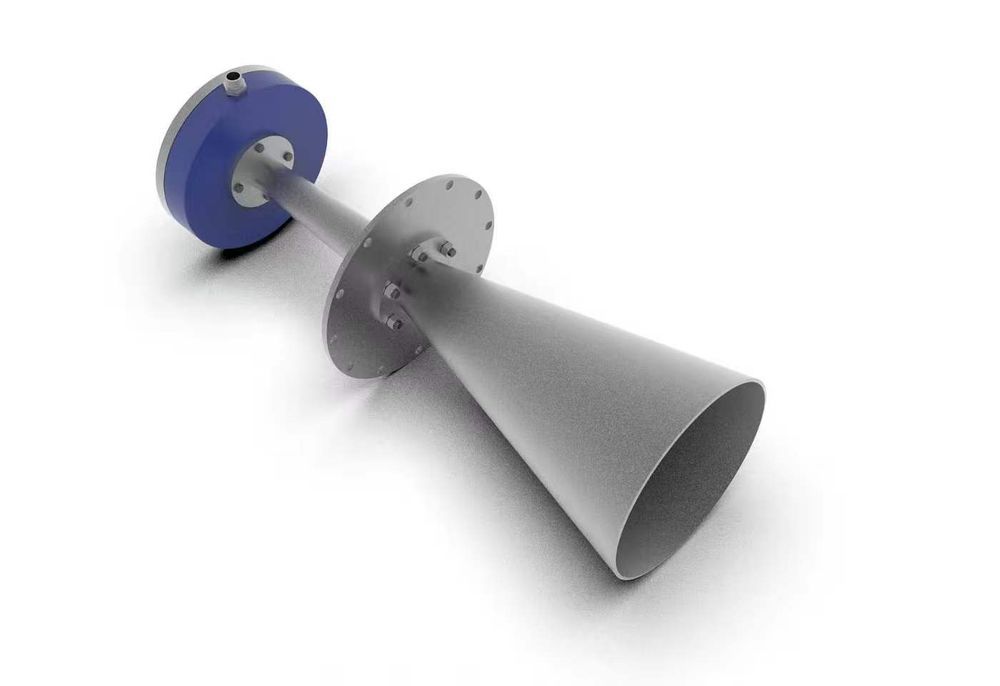
Với thiết bị chính xác dễ mài mòn (bộ hâm nước, bộ sấy không khí, thiết bị SCR), máy thổi bụi âm thanh và sóng xung là tối ưu: dẫn động khí nén, làm sạch không tiếp xúc, không mài mòn ống lò và lớp xúc tác; liên tục làm tơi và loại bỏ tro dính mịn nhờ rung động âm/sóng xung định kỳ. Toàn bộ trang bị hệ điều khiển PLC thông minh, chu kỳ làm sạch điều chỉnh được, vận hành tự động không người trực.
Hệ thống giải quyết triệt để bám bẩn, đóng xỉ, hiệu suất nhiệt thấp và dừng lò thường xuyên; nâng hiệu suất nhiệt của lò thêm 3%–8%, giảm chi phí nhiên liệu và vận hành, tránh ăn mòn thiết bị, đảm bảo vận hành ổn định, kinh tế lâu dài. Được tùy chỉnh theo thông số lò thực tế, đặc tính cháy của rác và điều kiện bám bẩn, giúp doanh nghiệp điện rác đạt hiệu quả cao, bảo trì thấp và lợi ích kinh tế tối đa.
Municipal Solid Waste (MSW) incinerators play a critical role in waste reduction, harmless treatment, and energy recovery in modern environmental protection and power generation industries. However, ash deposition and slagging on furnace walls, superheaters, economizers, and SCR systems are the most common and stubborn operational problems that plague waste-to-energy plants. Unlike coal-fired boilers, MSW contains complex components with high contents of alkali metals, chlorine, and moisture, forming low-melting viscous ash deposits that easily adhere to heating surfaces. If left untreated, persistent fouling will severely restrict boiler operation efficiency, increase operational costs, and trigger frequent unplanned shutdowns, becoming a core bottleneck restricting the stable and economical operation of waste incineration systems.
The formation mechanism of ash deposition in MSW incinerators is unique and complicated. During waste combustion, alkali metal salts and chloride compounds produce molten ash particles at 600–700°C, which adhere to the convection heating surfaces to form dense initial fouling layers. With continuous flue gas scouring and high-temperature sintering, loose fly ash accumulates on the sticky base layer, gradually forming hard, thick slag layers. These deposits not only block flue gas flow channels and disrupt uniform combustion but also greatly reduce heat transfer efficiency, resulting in increased exhaust gas temperature and reduced power generation capacity. Meanwhile, long-term ash accumulation accelerates high-temperature corrosion of boiler tubes, shortens the service life of core equipment, and raises daily maintenance and replacement costs for power plants.
Traditional manual cleaning and regular offline maintenance can no longer meet the continuous operation needs of modern waste-to-energy plants. Manual cleaning requires boiler shutdown, causing huge economic losses, while irregular cleaning leads to alternating accumulation and sintering of ash slag, making subsequent removal more difficult. To solve these pain points fundamentally, a set of efficient, stable, and low-consumption online ash cleaning solutions tailored for MSW incinerators has become essential for standardized plant operation.
The integrated cleaning solution combines multiple targeted soot blowing equipment to adapt to different fouling characteristics of various boiler sections. For the furnace water wall with severe sticky slagging, wall-mounted steam soot blowers are adopted to achieve 360° comprehensive online cleaning, effectively stripping molten slag and viscous ash layers without damaging the furnace lining. For superheaters and reheaters with deep fouling, long retractable steam soot blowers with high-temperature resistant lance tubes are configured. The adjustable blowing pressure and stroke ensure thorough removal of sintered ash deposits in deep convection areas, restoring heat exchange performance to the maximum extent.
For precision equipment such as economizers, air preheaters, and SCR reactors that are vulnerable to abrasion, sonic and shock wave soot blowers are the optimal choice. Driven by compressed air, this non-contact cleaning technology produces no mechanical wear on boiler tubes and catalyst layers. It continuously loosens and removes fine sticky ash through periodic acoustic and shock wave vibration, preventing ash accumulation and blockage while extending the service life of precision equipment. All equipment is equipped with intelligent PLC automatic control systems, supporting adjustable cleaning cycles and timed automatic operation, realizing unmanned online cleaning throughout the process.
This comprehensive ash cleaning system completely solves the core problems of MSW incinerator fouling, slagging, low heat efficiency, and frequent shutdown maintenance. It effectively improves boiler thermal efficiency by 3%–8%, reduces fuel and operating costs, and avoids equipment corrosion and failure risks caused by ash deposition. Adopting fully automated online cleaning eliminates the need for frequent manual shutdown cleaning, greatly improving the continuous and stable operation rate of waste-to-energy units.
In conclusion, targeted and intelligent ash cleaning solutions are indispensable for the long-term stable and economical operation of MSW incineration plants. Customized according to actual boiler parameters, waste combustion characteristics, and fouling conditions, the integrated soot blowing system thoroughly solves various ash deposition problems, helping waste-to-energy enterprises achieve efficient operation, low maintenance, and maximum economic benefits.