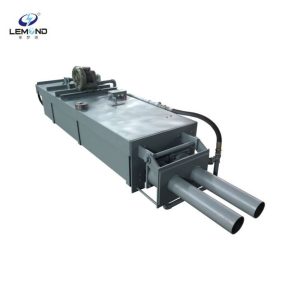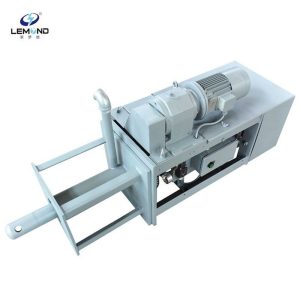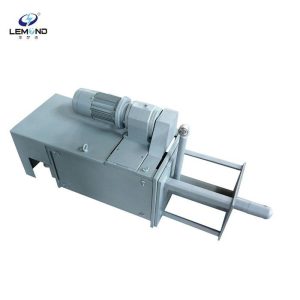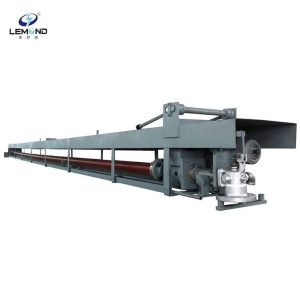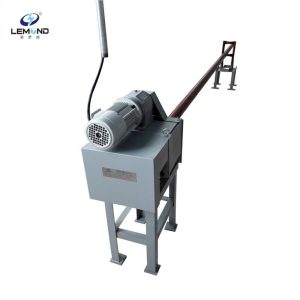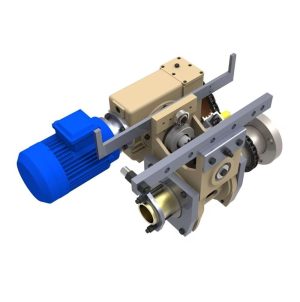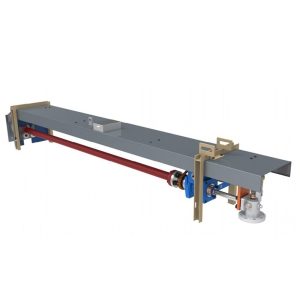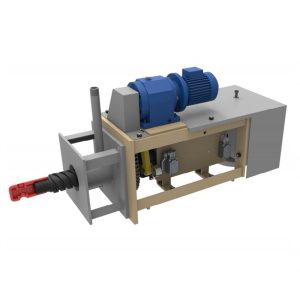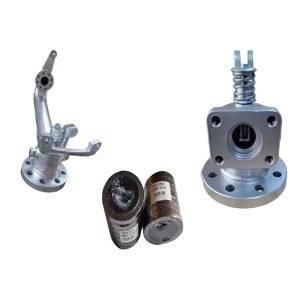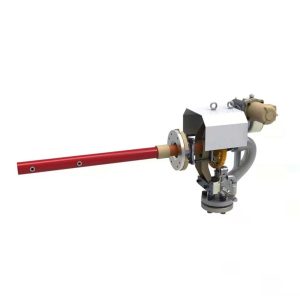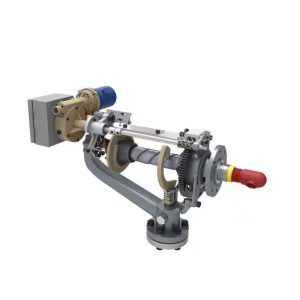
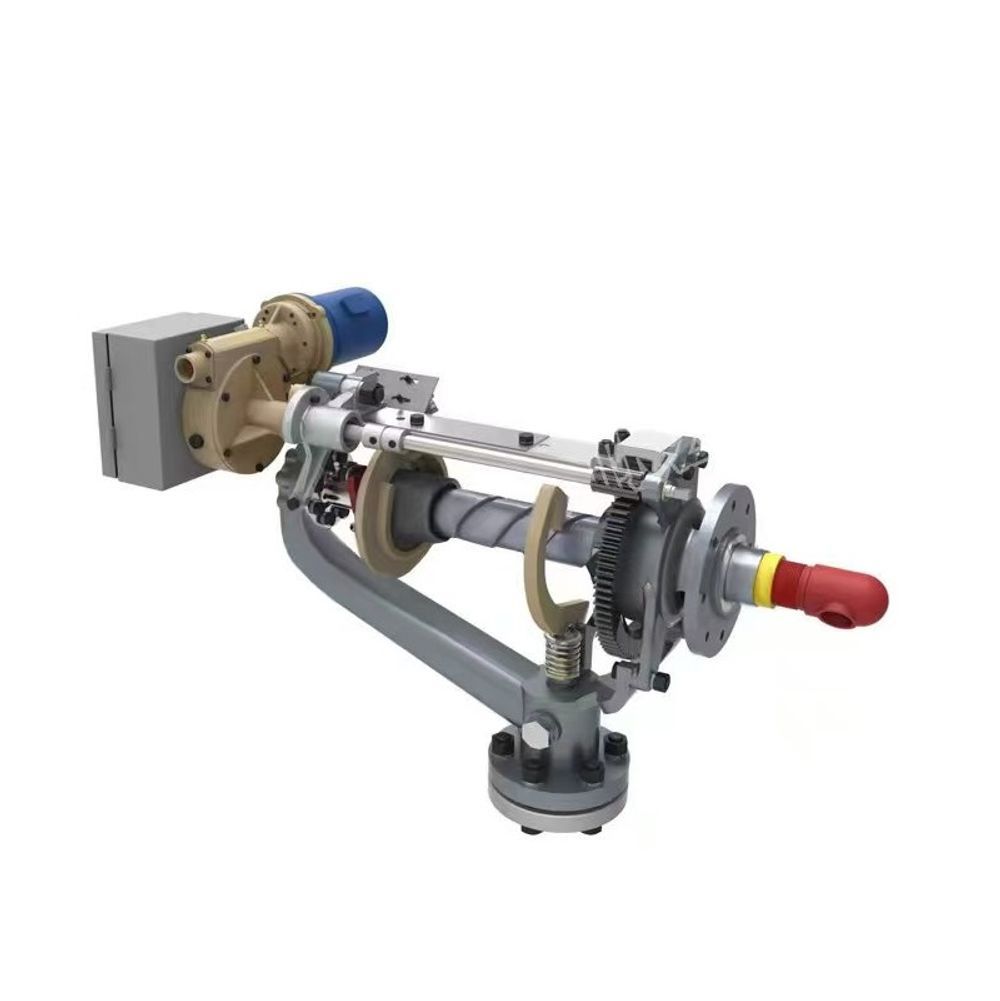
máy thổi bụi làm sạch lò hơi soot blower furnace
The furnace sootblower is a crucial auxiliary equipment in the operation of boilers. It is mainly used to remove ash, slag and coke deposits from the heated surfaces of boilers (such as water-cooled walls, superheaters, reheaters, economizers, air preheaters, etc.), ensuring the thermal efficiency and operational safety of the boilers. The following is a detailed description of its introduction, performance characteristics and application scope:
I. Introduction
During the operation of the boiler, the flue gas produced by the combustion of fuel contains ash, unburned particles and corrosive components, which tend to deposit on the surface of the heated surfaces, forming ash deposits or coking. The accumulation of ash will increase the heat transfer resistance of the heated surfaces, raise the flue gas temperature of the boiler, and reduce the thermal efficiency; severe coking may also cause local overheating and corrosion of the heated surfaces, and even affect the output of the boiler or lead to shutdown.
The boiler sootblower removes accumulated ash from the heated surfaces through mechanical, medium (steam/compressed air/water) or acoustic/pulsed methods, either periodically or on demand. It is an important equipment for maintaining the efficient and stable operation of the boiler. Common types include:
• Long-stretching type sootblower: Suitable for the furnace outlet and high-temperature flue (such as superheater and reheater areas), the sootblowing tube can be stretched and rotated to cover a large area of heated surfaces;
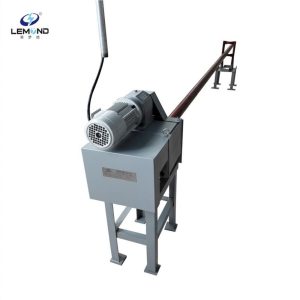
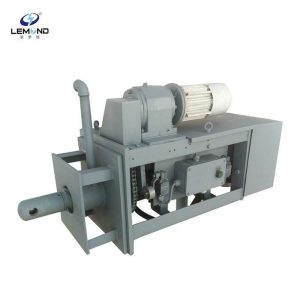
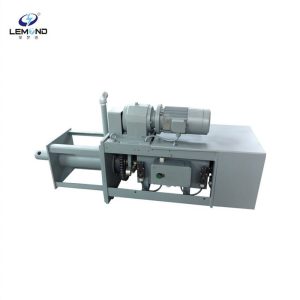
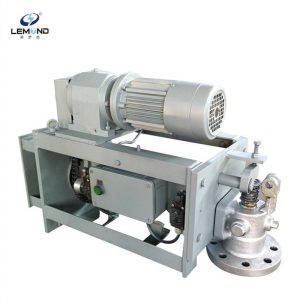
• Furnace sootblower (short telescopic type): Installed in the water-cooled wall area of the furnace, the sootblowing pipe has a short stroke and telescopic feature, specifically designed to remove slag deposits from the water-cooled walls.
• Rotating Ash Blower: Fixed installation, with the ash blowing tube rotating continuously, suitable for medium and low temperature areas such as air preheaters;
• Sonic Blower: Utilizing low-frequency high-energy sound waves to cause the ash particles to resonate and fall off. It has no moving parts and is suitable for loose accumulations of ash.
Gas pulse ash remover: Utilizing the explosion of gas to generate shock waves to remove accumulated ash. The energy is concentrated, making it suitable for stubborn slag deposits.
II. Performance Features
Efficient dust removal: By designing appropriate pressure, flow rate, angle and movement trajectory of the blowing medium, it is possible to effectively remove various types of accumulated dust (loose dust, viscous dust, hard slag).
2. High reliability: The core components (such as the soot blowing pipe, reducer, and sealing device) are made of materials that are resistant to high temperatures and wear (such as stainless steel and alloy steel), which can withstand the high-temperature and high-dust environment of the boiler and have a long service life.
3. Automation Control: It can be linked with the boiler DCS system to achieve scheduled, temperature-controlled or on-demand soot blowing (such as automatically starting and stopping based on flue gas temperature and steam parameters), reducing the need for manual intervention;
4. Energy conservation and emission reduction: Timely cleaning of ash can reduce heat loss from exhaust gases (for every 10-15℃ decrease in exhaust gas temperature, the thermal efficiency increases by approximately 1%), while also reducing unplanned shutdowns due to slagging and lowering maintenance costs;
5. High safety: Some types (such as steam blowers) are equipped with pressure and temperature protection for the medium, as well as overload protection for the blowout pipe, to prevent damage to the heated surfaces or the blower itself;
6. Wide adaptability: The blower parameters (travel, speed, medium type, etc.) can be customized according to the type of boiler (such as coal-fired boiler, circulating fluidized bed boiler, waste incineration boiler, etc.), the position of the heating surface, and the characteristics of ash accumulation.
III. Scope of Application
Boiler soot blowers are widely used in various industries that require boiler equipment. Specific scenarios include:
1. Power industry: Coal-fired / gas-fired / biomass power plants’ pulverized coal boilers, circulating fluidized bed (CFB) boilers, waste heat boilers, etc., remove ash deposits from water-cooled walls, superheaters, reheaters, air preheaters, etc. areas;
2. Metallurgical industry: High-temperature blast furnace gas boilers and heat recovery boilers in steel mills, for removing metal oxide deposits from the flue gas;
3. Chemical industry: Process boilers and waste heat boilers in fertilizer plants and oil refineries, which need to handle corrosive and dusty deposits with high sulfur and dust content.
4. Paper-making industry: The alkali recovery boilers and coal-fired boilers of paper mills, as well as the removal of sticky accumulated ash such as alkali ash and fiber ash;
5. Waste Disposal Industry: Waste incineration boilers (grate furnaces, fluidized bed furnaces), for removing complex components such as chlorides and heavy metals from the ash and slag formed during the combustion of waste.
6. Other fields: Waste heat boilers for glass factories and cement plants, as well as small boiler equipment such as those for ships and locomotives.
In conclusion, the boiler sootblower, by specifically removing the accumulated ash on the heated surfaces, is a core equipment that ensures the thermal efficiency of the boiler, extends the equipment’s lifespan, and reduces operating costs. Its selection should be determined based on the type of boiler, fuel characteristics, ash composition, and the structure of the heated surfaces.