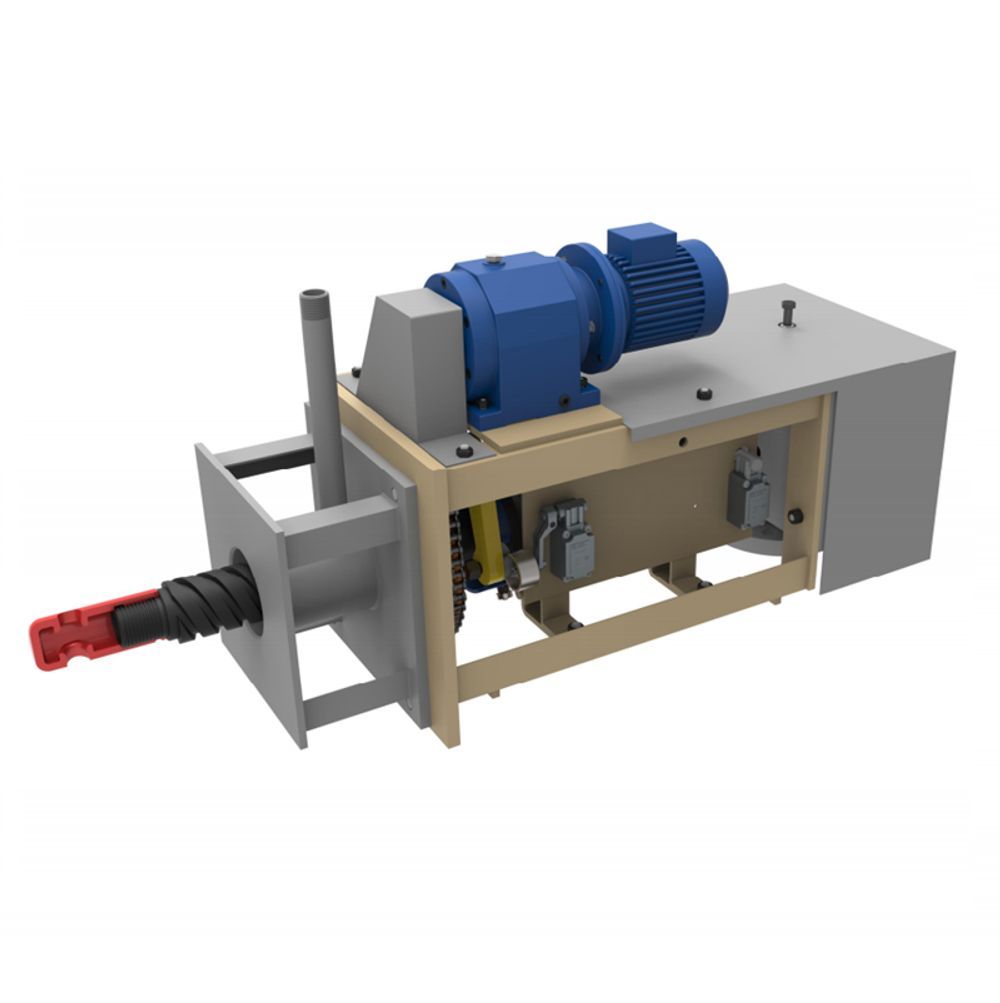
Tro bụi tích tụ trên bề mặt trong của lò hơi làm giảm hiệu suất nhiệt và có thể gây hư hại thiết bị. Máy thổi bụi là thiết bị thiết yếu để làm sạch tro và đảm bảo lò vận hành ổn định. Có 5 loại máy thổi bụi phổ biến, mỗi loại phù hợp một môi trường làm việc:
Tóm lại, chọn đúng loại máy thổi bụi cho từng điều kiện làm việc giúp cải thiện đáng kể hiệu quả làm sạch và giữ lò vận hành an toàn, hiệu quả.
Soot and ash accumulation on boiler inner surfaces reduces heat efficiency and may cause equipment damage. Soot blowers are essential devices to clean ash and ensure stable boiler operation. There are five common types of soot blowers, and each fits different working environments.
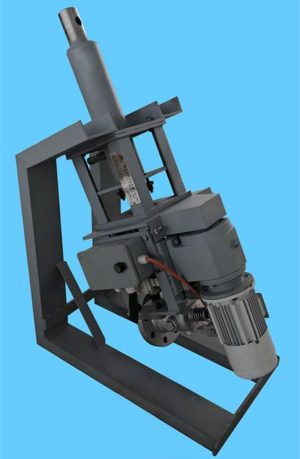
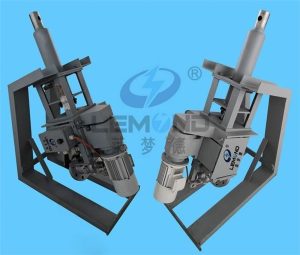
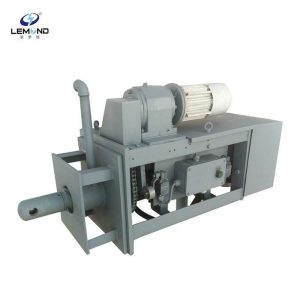
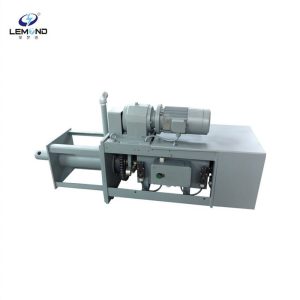
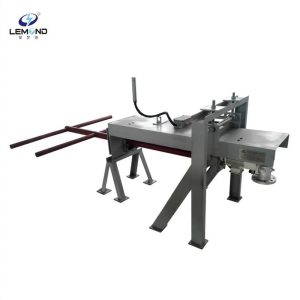
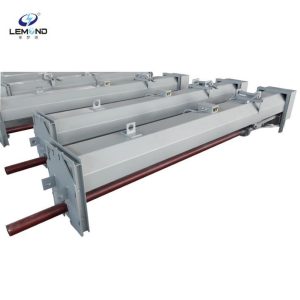
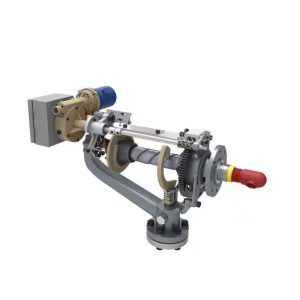
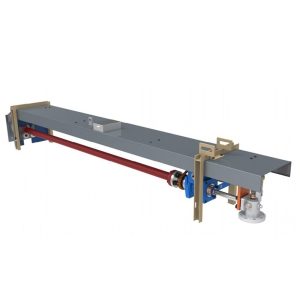
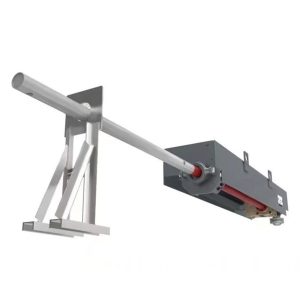
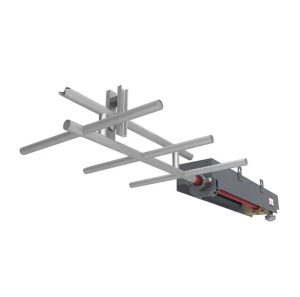
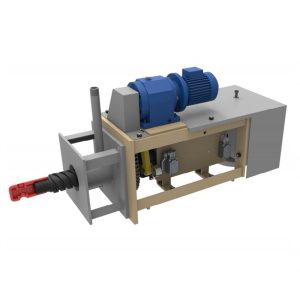
1.Steam retractable soot blower is widely used for large coal-fired boilers. With strong steam scouring power, it suits high-temperature areas with thick hard slag, such as superheaters and economizers. It avoids pipe wear by retracting outside the boiler after work.
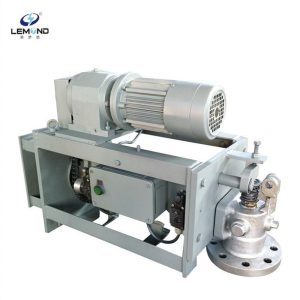
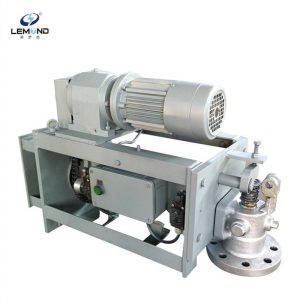
2.Wall-mounted soot blowers are installed on furnace walls. They clean hard slag on high-temperature water walls and apply to medium and large boiler furnaces, but only cover limited local areas.
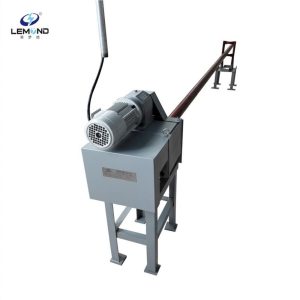
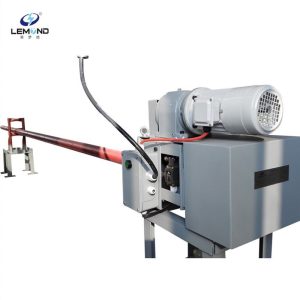
3.Rotary soot blowers use low-pressure steam or air. They feature mild cleaning force and adapt to low and medium-temperature tail equipment like air preheaters, ideal for loose ash cleaning in narrow flues.
4.Acoustic soot blowers clean ash via sound wave vibration without mechanical contact. They are suitable for fragile and precise equipment such as SCR catalysts, preventing damage from strong scouring, though ineffective for hard slag.
5.Gas pulse shock soot blowers generate shock waves to remove stubborn sticky ash. They fit industrial and waste incineration boilers but are not for vibration-sensitive devices.
In conclusion, matching different soot blowers to corresponding working conditions greatly improves cleaning effect and keeps boilers running safely and efficiently.